Trudeau’s China gamble: why Ottawa is rebuilding ties despite US pressure
Justin Trudeau is heading to Beijing as Ottawa seeks trade relief and economic balance, even as Washington grows unpredictable and domestic interests push conflicting priorities.

Copy link
By Torontoer Staff
Prime Minister Justin Trudeau is travelling to Beijing at a tense moment for Canadian foreign and trade policy. Ottawa wants to ease a seven-year freeze with China to protect key exports and diversify economic ties, but the move carries political and strategic risks.
The Trudeau government must manage pressure from the United States, resistance at home from industry and provinces, and lingering public unease about China’s political conduct. The trip is a deliberate attempt to find leverage in an unpredictable global environment.
A clear message from Beijing
China’s state media set a firm tone ahead of the visit, warning Ottawa that progress would require a foreign policy less aligned with Washington. The editorial framed a deeper bilateral reset as contingent on Canadian independence from U.S. direction.
If Ottawa still chooses to subject its China policy to the will of Washington, efforts to mend ties will be in vain.
China Daily
Pressure from Washington
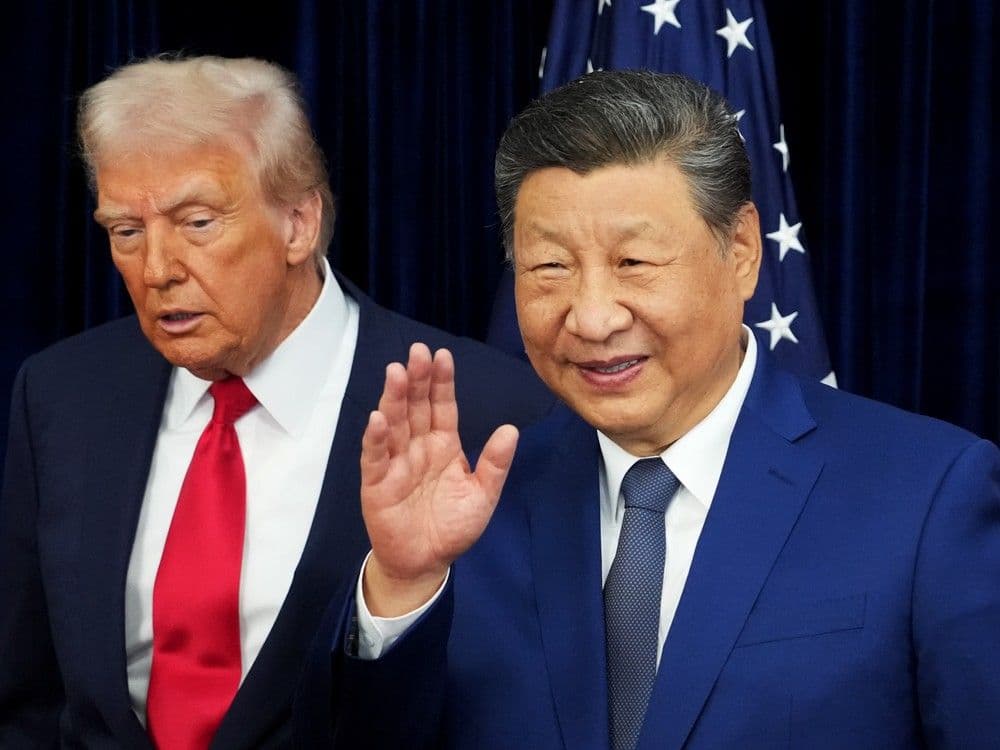
At the same time, relations with the United States have become more fraught. President Donald Trump recently dismissed the USMCA trade pact as "irrelevant" to him and said he could "take it or leave it," comments that underscore a broader unpredictability in U.S. policy toward partners.
The agreement is irrelevant to me, I could take it or leave it.
U.S. President Donald Trump
That unpredictability increases the strategic incentive for Ottawa to reduce economic dependence on a single partner and to secure alternative markets and suppliers.
Trade trade-offs at home
The mission to Beijing is as much about maps and tariffs as it is about diplomacy. Farmers and exporters want Ottawa to secure relief from Chinese measures that have hampered canola and other goods. At the same time, federal officials face pressure to protect domestic industries and provincial priorities, especially in Ontario.
- Canola exporters seek removal of Chinese tariffs that have cost producers millions.
- Beijing wants lower or no tariffs on electric vehicles, a demand opposed by some Canadian manufacturers and Ontario politicians.
- Formal talks to review the USMCA are imminent, creating a risk that any perceived tilt toward China could provoke U.S. retaliation.
Balancing these demands requires delicate concessions. Ottawa must weigh immediate economic relief against long-term industrial strategy and political optics.
A short history of engagement
Canada has a history of alternating engagement and caution with Beijing. Successive governments have pursued closer economic ties while periodically responding to human-rights concerns and geopolitical shifts.
- Pierre Trudeau established formal diplomatic relations with China in 1970, signalling independence in foreign policy.
- Brian Mulroney pushed economic co-operation, then paused ties after the 1989 Tiananmen Square crackdown, later restoring relations.
- Jean Chrétien led multiple trade missions to China and promoted business engagement.
- Stephen Harper shifted from early ideological caution to pragmatic economic engagement during the global financial crisis.
Those efforts delivered trade gains but limited progress on human-rights issues. Past premiers treated China as an increasingly important partner, justified by a relatively stable U.S. security umbrella. That umbrella is less reliable today.
Why Ottawa is willing to take the risk
The calculation behind Trudeau’s trip is straightforward: economic counterbalance. Diversifying trade partners and re-engaging with China could blunt some of the damage from abrupt U.S. policy shifts, and it could secure markets for exporters squeezed by current tariffs.
This is not a normal reset. Beijing remains a geopolitical rival on a range of issues, including human rights, intellectual property and regional military behaviour. Those realities will limit the depth of any rapprochement. Ottawa must pursue practical trade outcomes while framing human-rights concerns in ways that maintain leverage.
The visit will be judged on concrete trade wins and the ability to manage fallout in Washington and at home. Success will depend on careful sequencing, transparency with domestic stakeholders, and realistic expectations about what Beijing is willing to offer.
What comes next
Expect modest, targeted agreements rather than sweeping breakthroughs. Ottawa can secure breathing room for exporters and begin to rebuild channels of communication. Any progress will require ongoing diplomacy, not a single high-profile visit.
The decision to re-engage with China is a calculated gamble. Given shifting U.S. policy and the urgency of protecting Canadian trade, Ottawa has judged the potential benefits worth the risks.
Trudeau’s trip will test whether Canada can balance economic necessity with principled diplomacy, and whether a return to engagement can yield practical gains without compromising core values.
ChinaCanadaJustin TrudeautradeUSMCA