Carney in Beijing aims to reset trade ties while risking U.S. ire
Prime Minister Mark Carney meets Xi Jinping in Beijing to seek relief on canola and diversify trade, but any pivot to China risks provoking Washington.
Copy link
By Torontoer Staff
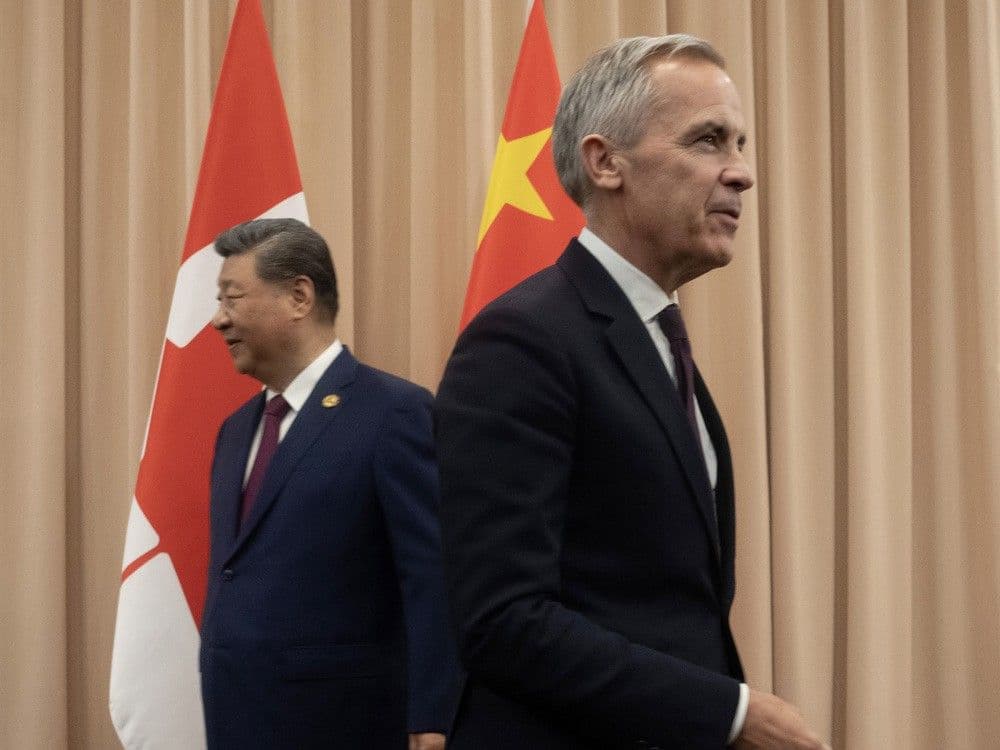
Prime Minister Mark Carney arrived in Beijing this week to meet Chinese President Xi Jinping, signalling Ottawa’s bid to reset relations and diversify Canadian trade away from heavy reliance on the United States. The visit comes amid trade disputes with both Beijing and Washington, and ahead of a sensitive renegotiation of the Canada-United States-Mexico Agreement.
Carney’s agenda focuses on commercial relief for Canadian producers, notably steps to ease China’s duties on canola and to reduce barriers to energy and agricultural exports. Ottawa also hopes to address reciprocal market access issues such as Chinese tariffs on Canadian electric vehicles.
Why Ottawa is pushing for a reset
Carney framed the trip as a pragmatic effort to strengthen economic ties. "China is our second-largest trading partner, and the world’s second-largest economy," he wrote on X before departing. He argued that a constructive bilateral relationship would deliver greater stability, security, and prosperity for both sides of the Pacific.
Trade diversification is a political priority for the prime minister, who faces pressure from Western Canadian provinces where farmers have been effectively locked out of the Chinese market by steep duties. Ottawa is seeking tangible wins for Alberta, Saskatchewan and Manitoba while avoiding the appearance of abandoning its North American allies.
Beijing’s opportunities and limits
Chinese officials view Carney’s visit as a chance to repair ties that deteriorated after the 2018 detention of Huawei executive Meng Wanzhou and the arrest of two Canadians, incidents that fractured diplomatic relations. Beijing has incentives to normalise relations with a G7 economy, and it seeks easier market access for products such as electric vehicles.
"China sees Carney’s succession as an opportunity to patch up relations after years of deterioration," said Dominic Chiu, senior analyst at Eurasia Group. He added that Beijing wants to draw Canada closer into its economic orbit while remaining aware of limits on how far Ottawa will move.
Analysts also warn that Beijing pursues a wedge strategy across U.S. allies, aiming to expand economic ties with countries such as Canada to increase leverage over Washington. "(Beijing) would like to pull Canada into a tighter economic relationship … but they understand that if they just pull Canadian trade three or four per cent away from the United States, that this increases Chinese interest in Canada," said Stephen Nagy, senior fellow at the Macdonald-Laurier Institute.
We have to be very cautious about how we engage.
Stephen Nagy
Constraints from the United States
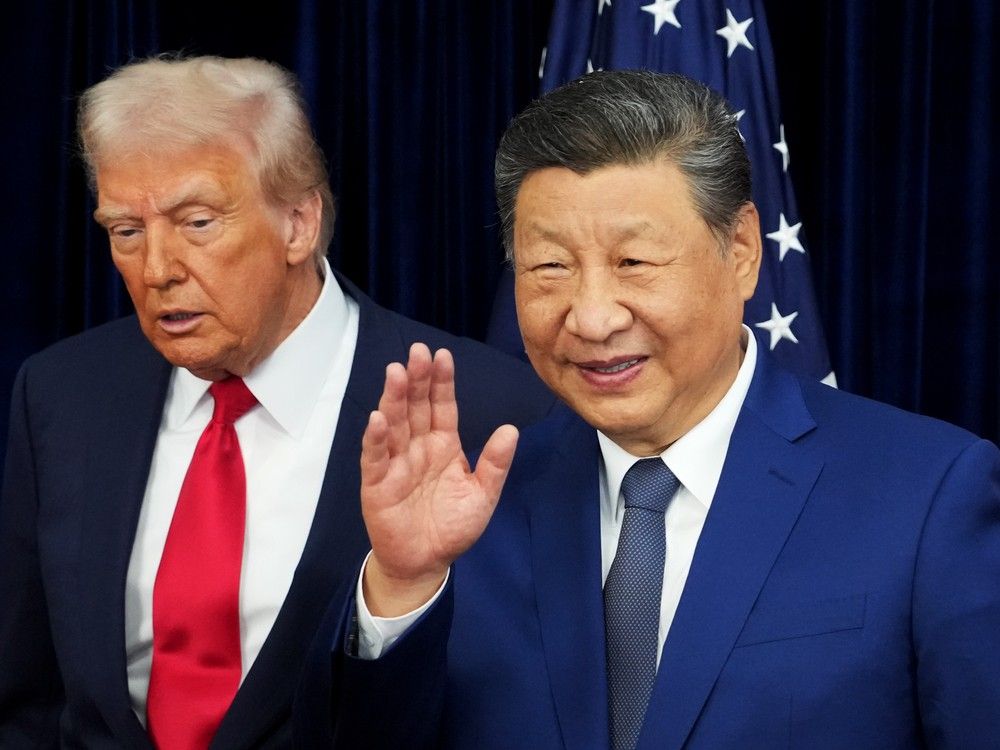
Carney’s outreach comes when Canada’s relationship with the United States is strained. President Donald Trump has imposed tariffs on Canadian steel, lumber and copper, called Canada the "51st state" and dismissed the value of CUSMA. Any perceived alignment with Beijing on sensitive sectors could draw a swift negative reaction from Washington.
Experts identify clear red lines for the United States: elimination of Canadian tariffs on Chinese electric vehicles, concessions on national security intelligence, or agreements affecting critical minerals and dual-use technologies. "A strategic partnership must not be a blank check," said Andrew Hale, a fellow at Advancing American Freedom.
What success would look like
Officials say immediate breakthroughs are unlikely. Analysts expect the visit to produce modest, incremental outcomes rather than major deals. Possible steps include getting Beijing to reopen technical discussions on canola, agreeing to talks on agricultural and energy cooperation, and laying groundwork to ease commercial obstacles such as EV tariffs over time.
- Reopening technical consultations on canola duties
- Framework discussions on agriculture and energy cooperation
- Commitments to future talks on EV tariffs and market access
- No commitments on security, critical minerals, or sensitive technologies
Observers say Ottawa lacks immediate leverage. Carney has not concluded parallel trade or security arrangements with other regional partners that might give Canada bargaining power, reducing the likelihood of quick concessions from Beijing.
This is just a starting point for (Canada) to actually engage in a much more meaningful way … It’s about re-establishing trust between both sides.
Reza Hasmath, University of Alberta
Dominic Chiu characterised the visit not as a final settlement but as an opening: "This is not the grand finale; it’s the end of the beginning of improved ties between Canada and China."
Balancing engagement and alliance commitments
Canada’s challenge will be to extract commercial gains while protecting security partnerships with the United States and other allies. Analysts argue Ottawa can manage closer economic links by prioritising non-weaponisable sectors and quietly strengthening deterrence with partners such as Taiwan, Japan and South Korea.
Carney’s trip is likely to yield modest gestures and a renewed line of communication rather than sweeping concessions. The visit will set the tone for further negotiations, and the political test will be whether Ottawa can win tangible trade relief at home without provoking a punitive response from Washington.
Canada-China relationsMark CarneyXi JinpingTradeUS-Canada relationsTariffs