Privacy watchdog widens probe of X after Grok used to create sexualized deepfakes
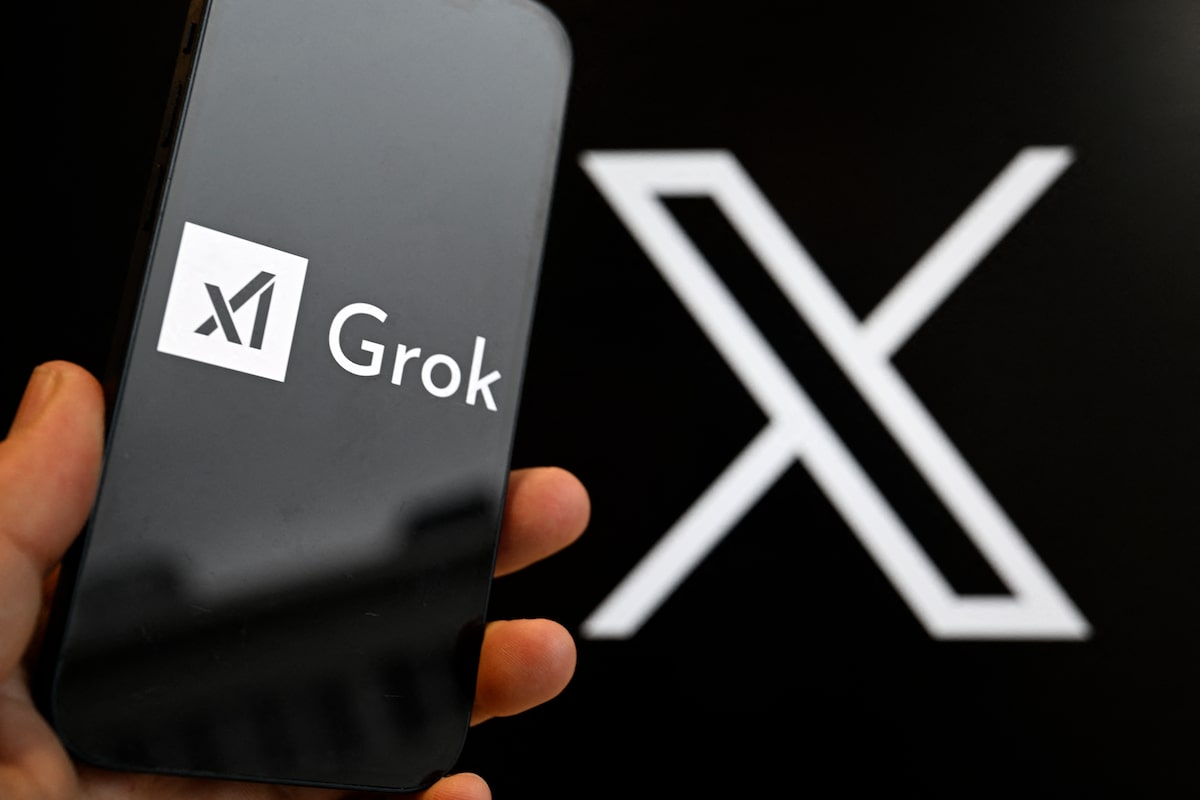
Canada’s privacy commissioner has expanded an investigation into X after users generated non‑consensual sexual deepfakes using the Grok chatbot.
Copy link
By Torontoer Staff
Canada’s privacy commissioner has expanded an investigation into X following reports that users generated sexualized deepfakes of real people using the platform’s AI chatbot, Grok. The probe, announced Wednesday, will examine whether X Corp met its obligations under federal privacy law and whether individuals gave valid consent for their personal information to be used to create those images.
The expansion builds on an earlier February probe into X’s collection, use and disclosure of Canadians’ personal information to train AI models. The commissioner will now look specifically at the creation and dissemination of intimate or sexualized deepfakes on the platform.
What the investigation covers
The Office of the Privacy Commissioner said investigators will consider whether X obtained meaningful consent before personal information was collected, used or shared to produce deepfakes. That includes examining the policies and safeguards X had in place to prevent non-consensual, explicit imagery, and whether its practices exposed Canadians to privacy harms.
The use of personal information without consent to create deepfakes, including intimate images, is a growing phenomenon that poses serious risks to individuals’ fundamental right to privacy.
Philippe Dufresne, Privacy Commissioner of Canada
X’s response and new restrictions
Late Wednesday, X said it was blocking Grok from generating sexualized or naked images of real people in certain jurisdictions to comply with local laws. The company said it now geoblocks the ability of users to create images of real people in bikinis, underwear and similar attire via Grok where those images are illegal, but it did not specify which jurisdictions are affected.
We now geoblock the ability of all users to generate images of real people in bikinis, underwear, and similar attire via the Grok account and in Grok in X in those jurisdictions where it’s illegal.
X statement
The company previously limited access to the image-generation tool to paying subscribers after initially downplaying the scale of the problem. That change did not satisfy regulators and governments, many of which have opened their own investigations or imposed blocks on the tool.
Global reaction and ongoing enforcement
Since late December, thousands of non-consensual explicit images of women and girls generated with AI have circulated on X, prompting swift international scrutiny. Indonesia and Malaysia have announced blocks on access to Grok, and Britain’s media regulator Ofcom has launched an investigation. Authorities are weighing a range of responses that include access restrictions, enforcement actions and potential regulatory changes.
- Indonesia and Malaysia have blocked access to Grok
- Ofcom in the United Kingdom has opened an investigation
- Canada’s Privacy Commissioner has expanded its probe into X Corp
Law, child safety and policy gaps in Canada
Child safety advocates in Canada have warned that laws and policies have not kept pace with AI and social platforms. Current federal rules cover child sexual abuse material, including fictional content, but they do not explicitly address digitally altered intimate images of adults created without consent.
Federal lawmakers introduced an amendment to the Criminal Code last month that would create penalties for non-consensual deepfakes of adults. That change aims to close a gap that has allowed exploitative content to spread online without clear criminal consequences.
What this means for users
- If you find a non-consensual or explicit deepfake of yourself, document it and report it to the platform immediately.
- Use privacy settings to limit who can see and share your content, and avoid uploading intimate images that could be misused.
- Follow updates from regulators and law enforcement, as rules and enforcement actions are evolving quickly.
The expanded probe gives Canada’s privacy office a clearer mandate to examine X’s practices and could lead to findings, recommendations or enforcement measures. X faces scrutiny not only for the presence of deepfakes on its service, but for how its AI tools are governed and how user data is handled.
Regulators in multiple countries will continue to monitor X’s policies and technical controls, while lawmakers consider legal changes. For users, the immediate takeaway is to remain vigilant and to report any misuse of images to platforms and authorities.
privacyAIdeepfakesXGrokregulation