Physician at 79 keeps a part-time clinic life for purpose, travel and cycling
Dr. Christopher Woollam, 79, scaled back to 14 hours a week in sports medicine to avoid boredom and stay active. He has no pension and relies on investments.
Copy link
By Torontoer Staff
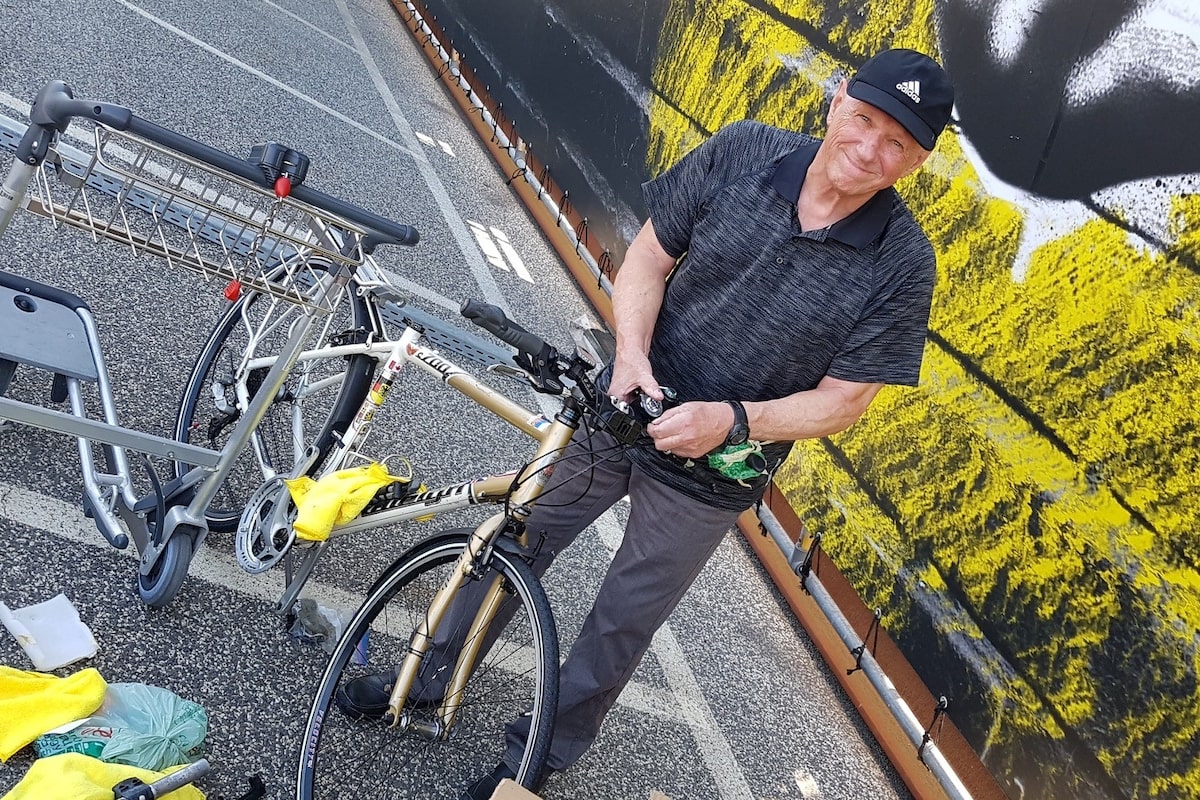
Christopher Woollam, 79, did not retire fully because full retirement felt less appealing than he expected. He now works about 14 hours a week in sports medicine, keeps active through cycling and travel, and manages his finances without a traditional pension.
Woollam practises mostly knees and hips, and says the pace suits him. He decided to stay in medicine part-time to keep his mind and social life engaged, and because he enjoys the work.
Why he chose part-time work
Woollam began as a family doctor and switched to sports medicine in his early 50s. By his mid-70s he had opportunities to stop entirely, but he noticed two common pitfalls among retirees: boredom and loss of social connection. "Freedom may be grossly exaggerated," he says. "Boredom has a way of setting in, and there’s a risk of depression without enough activity and social connections."
Working reduced hours gives him structure without the intensity of full-time practice. "I feel energized when I’m at work. It’s fun," he says. He plans to continue as long as his partners are content with his performance and his health permits.
How he balances work, travel and activity
Outside clinic hours Woollam and his wife travel frequently. They own a home in Florida that they bought 14 years ago when the Canadian dollar was stronger, and they are considering selling it. He often takes his bicycle on trips and has cycled across several European countries.
Physical activity is part of his plan to stay healthy and socially engaged. He switched from running and tennis to cycling because it is easier on his knees. Cycling also serves as a travel activity, a hobby and a way to keep fit for the demands of his part-time practice.
Money matters without a pension
Woollam has no pension from his medical career, so his retirement income depends on his savings, investments and the stock market. He works with a financial advisor and says their decisions have left him and his wife financially secure.
I have no pension, so I’m dependent on my own savings and investments, and the stock markets, for my financial stability.
Christopher Woollam
He is comfortable leaving some money to his children and grandchildren, but does not want to overprovide in a way that encourages dependence. "I don’t want them to feel they are living for an inheritance," he says. He prefers to take care of himself where possible and allow his descendants to build their own financial resilience.
Practical retirement lessons from a working physician
Woollam frames retirement as a new phase that requires planning beyond finances. He encourages people to consider their identity and daily needs when deciding how to retire. For some, doing little brings satisfaction. For others, including himself, ongoing work and purposeful activity are essential.
- Test your idea of free time before you quit entirely. Try extended leaves or reduced hours to gauge how you respond.
- Keep social connections and mentally engaging activities in your plan to reduce the risk of boredom and isolation.
- Factor in the absence of a pension when planning savings and drawdown strategies.
- Choose physical activities that match your body, and use hobbies to support both travel and fitness.
- Talk with a financial advisor to ensure investments align with your retirement timeline and lifestyle goals.
Retirement is a new phase and should not be about waiting for the Grim Reaper.
Christopher Woollam
What he enjoys most now
Woollam says the best part of stepping back from full-time work is no longer feeling rushed. More time for work on his own terms, travel, cycling and family has changed his daily mood. "I smile a lot more these days," he says.
He continues to read medical literature and keep up with developments that support his practice. That combination of continued professional engagement and personal freedom is the balance that has kept him working part-time rather than stopping entirely.
Woollam’s experience highlights a growing pattern among older professionals: partial retirement used as a way to preserve identity, income and social life, while opening space for travel and leisure. For him, the arrangement has offered purpose and pleasure without the pace of a full practice.
retirementpart-time workphysicianspersonal financecyclingtravel