How one Toronto entrepreneur budgets on a $23,000 year
Keleigh McCall built a self-improvement app after a mental health crisis. She’s on track to earn $23,000 this year and leans on parental help to keep her Toronto life afloat.
Copy link
By Torontoer Staff
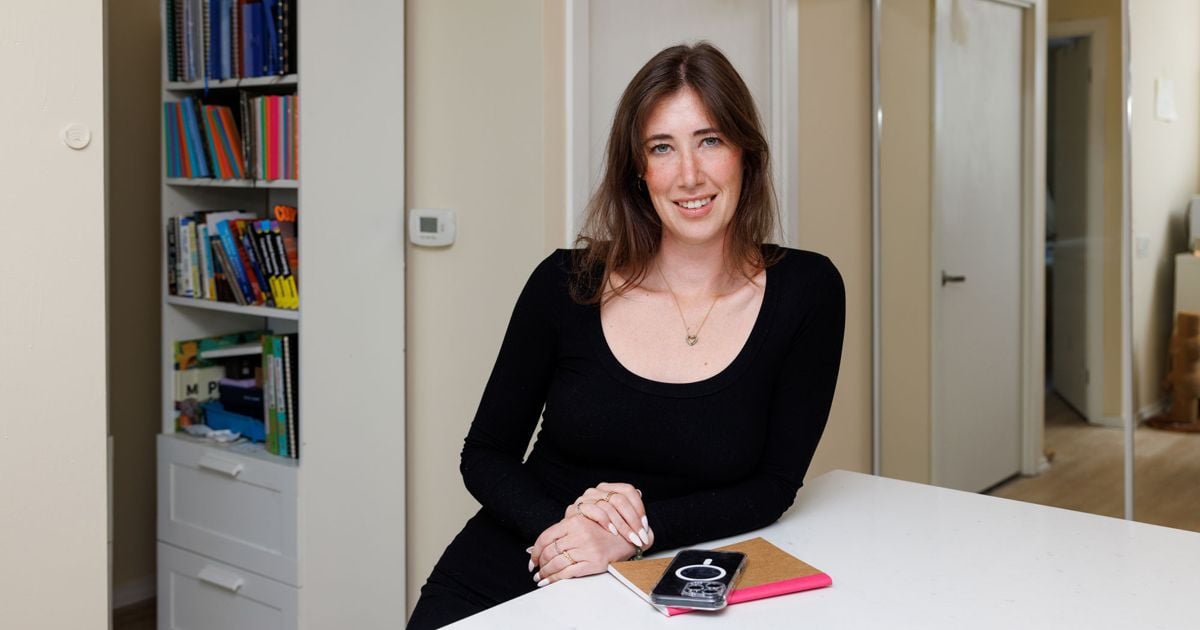
Keleigh McCall, 30, is the founder of the Life-Maxing App, a self-improvement gaming platform that helped her return to work after a mental health crisis. With 40,000 TikTok followers and a spot in Toronto Metropolitan University’s start-up incubator, she is on track to earn about $23,000 this year.
Her income does not cover the full cost of living in the city. McCall lives in a one-bedroom apartment near Yonge and Bay and balances business expenses, personal care, and rebuilding her life after two hospitalizations at CAMH.
How she earns, and what the app does
The Life-Maxing App gamifies daily routines and micro-habits, offering short activities and prompts that users complete to earn progress and streaks. McCall monetizes via small in-app purchases, sponsorships on social, and consulting gigs tied to product development and content creation.
Earnings are still modest while the company is early stage. The $23,000 figure reflects freelance revenue, app receipts and a small amount of creator income from TikTok. The TMU incubator provides mentorship and networking, rather than significant operating capital.
Monthly budget, broken down
McCall provided a line-by-line view of her regular expenses. Monthly totals show why her current income falls short of full independence in Toronto.
- Rent: $2,000 a month
- Utilities: $125 a month
- Phone: $65 a month
- Groceries: $350 a month
- Transit: $80 a month
- Dining out: $50 a month
- Clothing: $250 a month
- Skin care: $50 a month
- Business subscriptions: $300 a month (Notion, Typeform, ChatGPT Premium, Framer)
- Gadgets: $30 a month
Those items add up to about $3,300 a month, or roughly $39,600 a year. McCall’s projected $23,000 in income covers a portion of that total, which helps explain why she accepted financial aid from her parents.
I couldn’t have afforded it without my parents’ help, which was hard to accept at first. I’m a very proud person. But it actually brought us closer together. I’m grateful.
Keleigh McCall
Where she spends beyond the essentials
McCall differentiates between necessary costs and discretionary spending tied to work and recovery. Clothing and skin care are part practical, part therapeutic as she rebuilds her wardrobe after a difficult period. Business subscriptions are pricey, but she views them as investments in productivity and product development.
- Clothing: rebuilding a wardrobe after losing belongings during her mental health crisis
- Skin care: low-cost self-care supported by free products from work and occasional purchases
- Business tools: core productivity platforms and AI services used for building the app
- Gadgets: small purchases for content creation, such as tripods and lights
She also spends on one-off events to grow her user base. A recent apartment event to promote the app cost about $150 for snacks and attracted ten attendees.
What the budget reveals
McCall’s numbers show a common early-stage founder challenge: modest personal income while shouldering fixed living costs in an expensive city. Parental support made immediate stability possible, freeing her to focus on product development and content. At the same time, recurring business subscriptions and wardrobe rebuilding are legitimate near-term expenses for a solo founder focused on growth.
Her approach mixes frugality and targeted spending. She walks often to save on transit, keeps dining out minimal, and limits gadget purchases to small monthly amounts. That said, clothing and subscriptions remain consistent outflows that will need reassessment if revenue does not scale.
Lessons and next steps
McCall plans to prioritise revenue growth through user acquisition and sponsorships while trimming discretionary costs where possible. The incubator connection offers a path to partnerships and potential funding, but it will take continued traction on the app and creator channels to close the gap between income and expenses.
Her story also highlights a personal element that is easy to overlook in finance stories: accepting help can be part of recovery. For McCall, parental assistance was not a defeat. It allowed her to stabilise, rebuild, and pursue a business that aims to help others do the same.
For now, she is balancing cautious spending with investments in her product and wellbeing, measuring progress not only in dollars but in regained routine and creative momentum.
personal financeentrepreneurshipTorontomental healthbudgeting