Toronto buried by 35 cm of snow as crashes and service disruptions mount
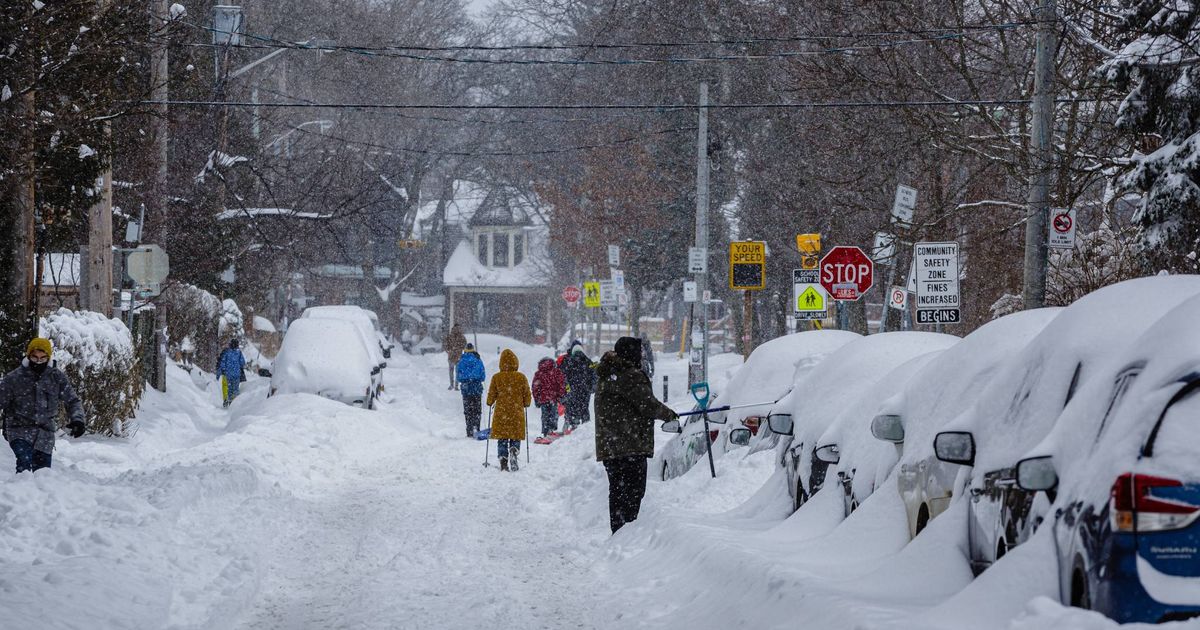
A 35 cm snowstorm snarled travel across the Greater Toronto Area, causing hundreds of collisions, transit and flight cancellations, and large-scale snow-clearing operations.
Copy link
By Torontoer Staff
A winter storm expected to drop 35 centimetres of snow across the Greater Toronto Area on Thursday already produced widespread travel disruptions and a high volume of crashes. Roads, transit and flights faced cancellations as morning conditions deteriorated and visibility dropped.
Emergency services reported hundreds of collisions and dozens of vehicles stuck in snowbanks. The city deployed plows and salters and moved additional staff into snow-clearing roles, while officials urged residents to avoid non-essential travel.
Road conditions and collisions
Provincial police and traffic agencies recorded a surge in incidents through the morning. The Ontario Provincial Police said there were roughly 200 collisions and about 125 vehicles stuck in snowbanks or ditches across the region within 24 hours. Several serious crashes were captured on social media, including a rollover on Highway 401.
This is extremely dangerous. If you need to stop, exit the highway or pull into a safe location off the roadway.
OPP Highway Safety Division
Officers flagged multiple risky behaviours on highways, from drivers stopping in live lanes to clear windshields to vehicles travelling without sufficient snow cleared from roofs and windows. One transport truck was observed stopped in a live lane to clear windshield wipers, a manoeuvre police called unsafe.
Personal injury lawyer Dave Shellnutt shared images of vehicles with heavy snow obstructing rear windows and roofs, commenting on the hazard. He posted, "Some people shouldn't be licensed."
Transit, airport and commuter impacts
Transit agencies announced major service changes early in the day. Several bus and subway routes faced delays or cancellations. GO Transit and VIA Rail reported disruptions to schedules, and Toronto Pearson International Airport confirmed flight delays and cancellations as crews dealt with de-icing and ground operations.
Commuters reported congestion on arterial roads and highways as some drivers attempted to travel despite warnings. On-ramp backups were visible in parts of Etobicoke where multiple vehicles became stuck on a Highway 427 access ramp.
City response and clearing operations
Mayor Olivia Chow said about 1,300 staff and contractors were working to clear snow as it fell, and the city was reallocating personnel from other divisions to expand the response. Plows and salting trucks were operating continuously on arterial routes, and the city indicated it would move beyond plowing to active snow removal where needed.
Snow plows and salters are on the road and sidewalks, continuously clearing snow as it falls. Blowing snow and continued snowfall means the City is plowing roads and sidewalks non-stop over the next few days.
Mayor Olivia Chow
Officials reiterated requests that residents avoid non-essential travel and allow crews to work. The city also asked drivers to leave room for plows and to follow parking restrictions in neighbourhoods where removal operations were scheduled.
How people adapted and what commuters saw
Photos and videos posted online showed a range of responses. Some people walked through deep drifts, with one video showing a person moving through nearly waist-deep snow. Others took unconventional approaches, including a person who posted a photo of themselves skiing through a residential street.
Some neighbourhood-level complaints appeared on social feeds, including observations that bike lanes on parts of Yonge Street were plowed while adjacent sidewalks remained uncleared. That raised questions about priority clearing and pedestrian access during the storm.
Practical advice for the next 48 hours
- Avoid non-essential travel. Authorities say staying home reduces risk and eases pressure on emergency services.
- If you must drive, clear all snow from windows and the roof before moving. Keep headlights on and reduce speed for conditions.
- Do not stop in live lanes. If a vehicle becomes unsafe to drive, pull completely off the roadway or exit the highway at the next safe location.
- Expect transit and flight disruptions. Confirm schedules with carriers before leaving for the airport or station.
- Check on vulnerable neighbours and report blocked sidewalks or urgent hazards to the city.
Officials warned that blowing snow and ongoing accumulation will keep roads and sidewalks challenging for the next few days. Snow removal will shift between plowing and hauling priorities as accumulation continues.
Torontoers should expect delays and plan accordingly. Allow extra time for essential travel, monitor official channels for updates, and keep emergency supplies in vehicles if travel is unavoidable.
Torontosnowweathertransitsafety