Canadian Dairy Commission to raise farmgate milk price 2.3% effective Feb. 1, 2026
The CDC will raise farmgate milk prices by 2.3% on Feb. 1, 2026, increasing the cost of milk used in dairy products by about 2.4%. Retail impacts will vary.
Copy link
By Torontoer Staff
The Canadian Dairy Commission will raise the farmgate price of milk by 2.3 per cent, effective Feb. 1, 2026. The commission says the change will increase the cost of milk used to make dairy products by roughly 2.4 per cent.
The adjustment follows the CDC's annual review, completed in October, during which the commission examined producers' costs of production and the Consumer Price Index. The CDC said the increase will add just over two cents per litre of milk sold to processors for finished dairy products.
What changes on Feb. 1
The farmgate price paid to dairy farmers will rise by 2.3 per cent. The CDC expects this will translate to an average 2.4 per cent increase in the cost of milk inputs used by processors, affecting products such as milk, cream, yogurt, cheese and butter sold to retailers and foodservice operators.
- Farmgate milk price increase: 2.3 per cent
- Estimated increase for processors' milk input costs: 2.4 per cent
- Estimated increase per litre sold to processors: just over two cents
- Effective date: Feb. 1, 2026
Although Canada’s inflation rate stayed within the target range throughout 2024, producers faced ongoing financial challenges due to higher animal feed and labour costs.
Jennifer Hayes, chair, Canadian Dairy Commission
Why the CDC raised the farmgate price
The commission said it adjusted the farmgate price to reflect inflation and increases in producers' costs, including feed and labour. The CDC's annual review incorporates the Consumer Price Index and cost-of-production data submitted by industry stakeholders.
The CDC noted that last year’s inflation for dairy products was 2.7 per cent, broadly in line with the overall food category increase of 2.5 per cent in 2025. The last farmgate increase occurred in 2023, when prices rose 2.2 per cent.
How this affects consumers and businesses
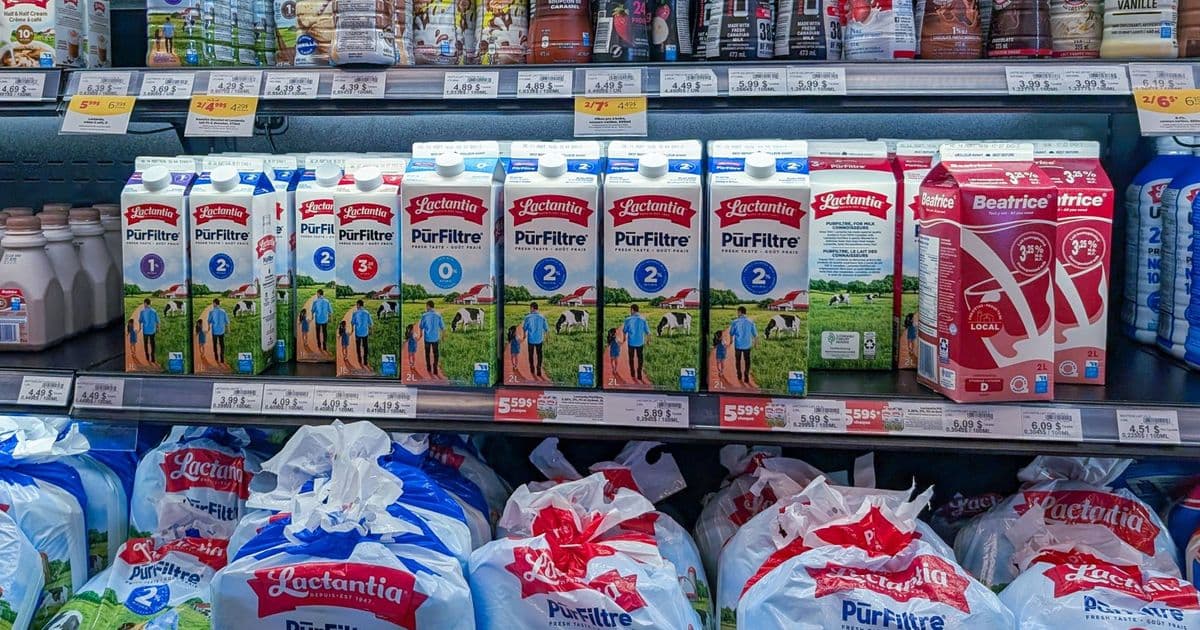
The CDC emphasised that a change in the price paid to farmers does not automatically produce the same change at the consumer level. Retail and foodservice prices are influenced by additional costs such as labour, transportation, distribution and packaging.
The net impact of these increases on the final cost of dairy products is unknown since prices are also influenced by incremental factors further along the supply chain, such as labour, transportation, distribution, and packaging costs.
Canadian Dairy Commission
Retail prices for most dairy products are not regulated in Canada, with the notable exception of fluid milk in some provinces. After milk leaves the farm, it enters the marketplace where supply, demand and other commercial factors determine retail pricing. Processors, distributors and retailers will make their own decisions about passing higher input costs to consumers.
Supply management context
Regulating the farmgate price is one component of Canada’s supply management system for dairy, which also involves production quotas and tariff measures. The CDC sets the price farmers receive; it does not control downstream prices charged by processors or retailers.
What to watch next
Shoppers and restaurant customers may see price changes in the weeks and months after Feb. 1 as processors and retailers adjust to new input costs. Industry groups, provincial regulators and major grocery chains will provide further signals on how quickly and how broadly any increase is passed through to consumers.
- Processors may adjust wholesale prices to reflect higher milk input costs
- Retail and menu prices could rise incrementally depending on other supply-chain costs
- Provincial regulation of fluid milk may limit or alter pass-through in some regions
The CDC will continue to publish details of its price-setting decisions and the data underlying the annual review. Consumers can expect further commentary from industry groups and retailers as the effective date approaches.
The farmgate increase confirms ongoing pressure on agricultural margins despite stable overall inflation. For now, the CDC frames the change as a measured adjustment to align farmer compensation with rising production costs while recognising that final consumer prices will reflect a broader set of market influences.
dairyCanadian Dairy Commissionfood pricesinflationsupply management


